
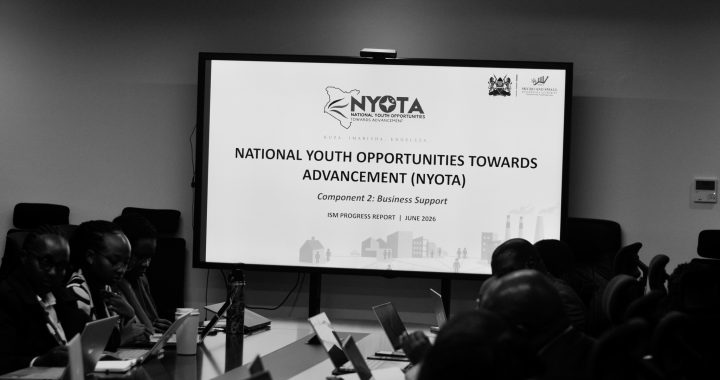
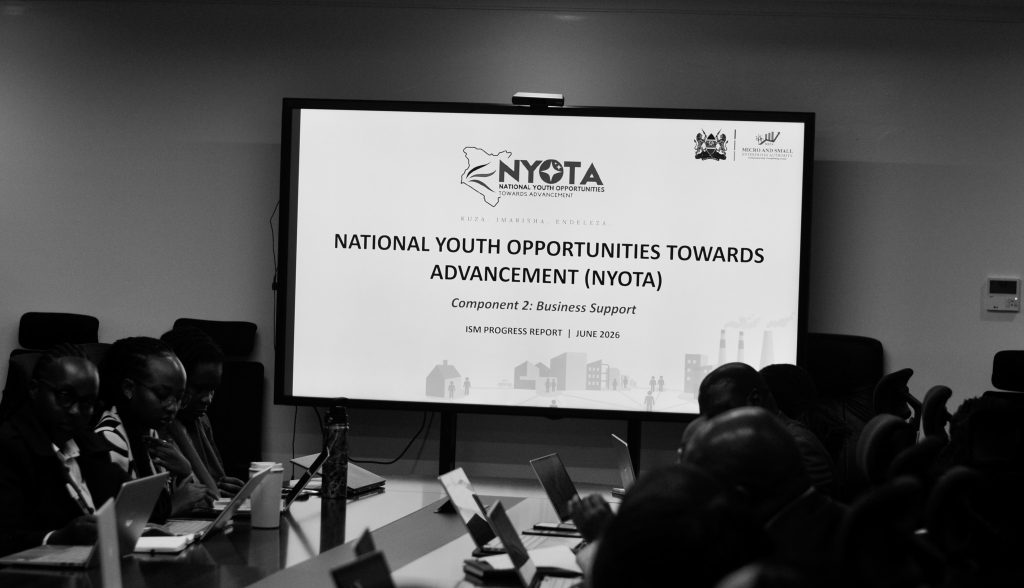
The Micro and Small Enterprises Authority (MSEA) has highlighted significant progress in the implementation of the National Youth Opportunities Towards Advancement (NYOTA) Project’s Business Support Component during the World Bank Implementation Support Mission (ISM) held in Nairobi.
Led by Component 2 Project Coordinator, Mr. Patrick Kamenyi, the MSEA team presented key achievements, implementation milestones, lessons learned, and upcoming priorities under the Business Support intervention, which aims to increase employment opportunities and improve earnings among vulnerable and marginalized youth across the country.
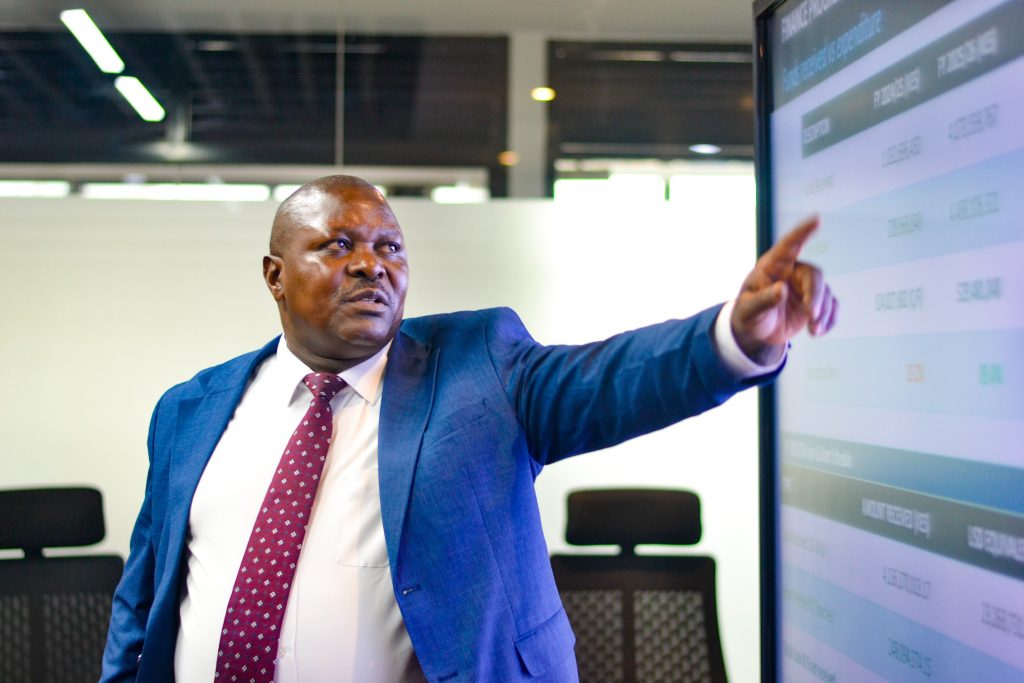
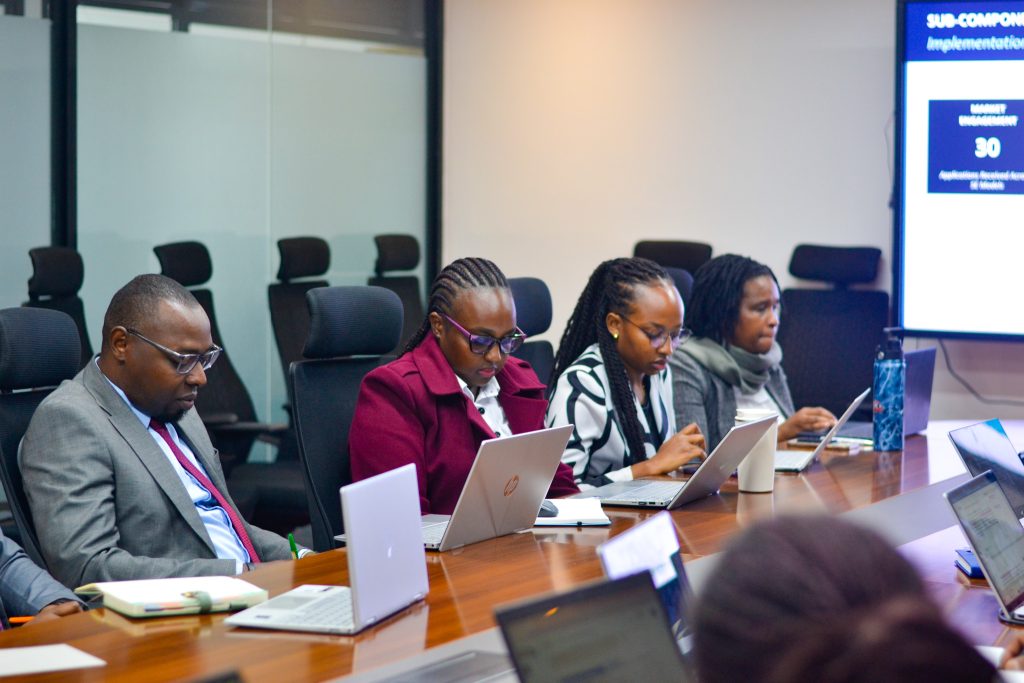
Left- Mr. Patrick Kamenyi, Component 2 project coordinator making a presentation on business support intervention.
The Business Support intervention is one of the flagship components of the NYOTA Project combines entrepreneurship training, mentorship, business start-up capital, market linkages, and savings support to enable young people to establish and grow sustainable enterprises.
Presenting the implementation status, Mr. Kamenyi noted that the project has continued to record strong performance across key indicators.
A total of 502,621 youth successfully undertook the Entrepreneurial Aptitude Test (EAT), surpassing the original target of 200,000 youth and demonstrating the overwhelming demand for entrepreneurship opportunities among young people across the country.

Further, 124,850 youth have successfully completed entrepreneurship training under the Business Development Services (BDS) programme, representing over 92 per cent achievement against the planned target. The project has also reached 4,188 host community beneficiaries under the refugee and host community inclusion framework.
Mentorship remains one of the projects’s strongest pillars, with 90,478 youth completing the first two rounds of mentorship support. The mentorship programme continues to strengthen enterprise sustainability by providing practical guidance on financial management, business planning, customer service, record keeping, and growth strategies.
The presentation highlighted the substantial investment already made towards supporting youth-owned enterprises.
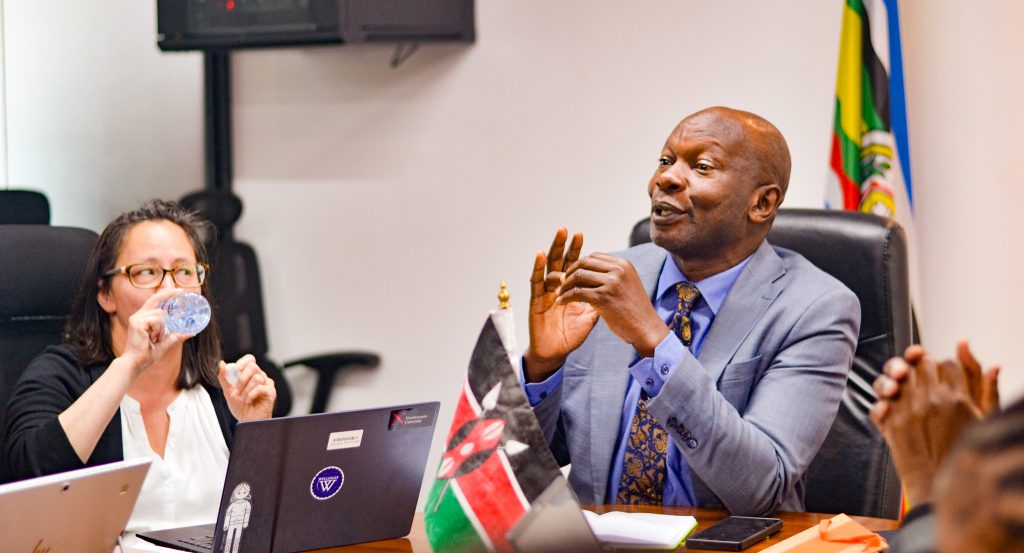
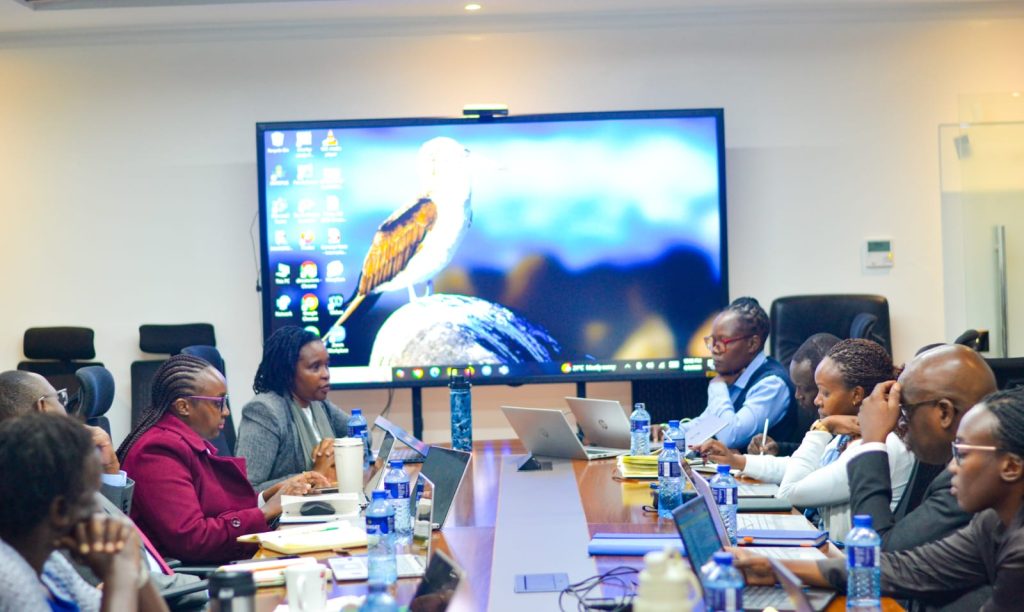
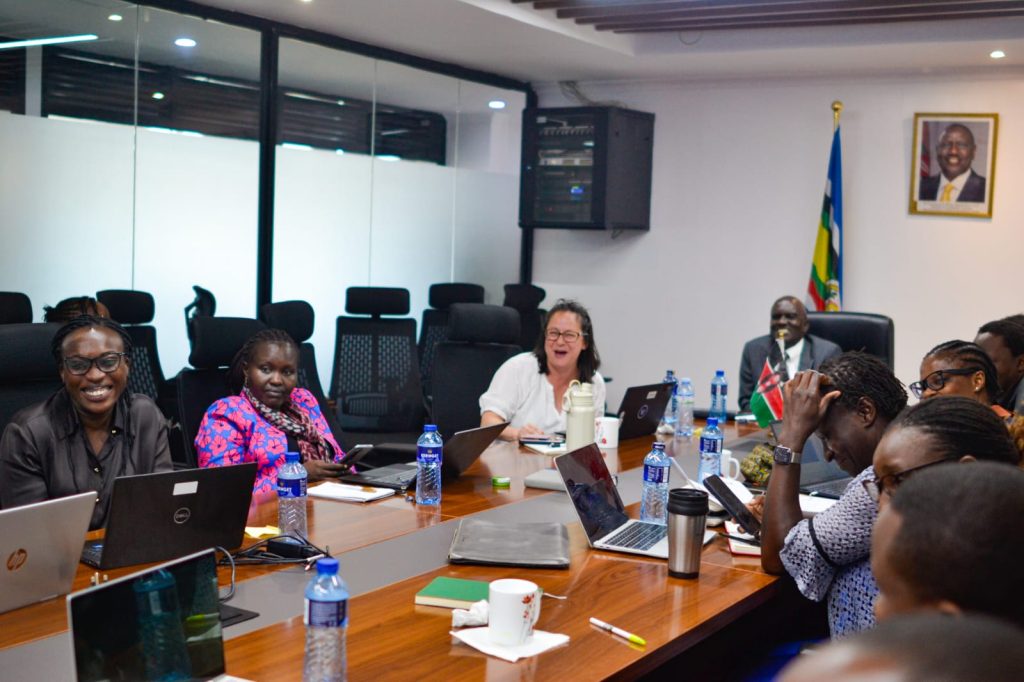
NYOTA National Project Manager, Mr. Mayabi reacting to the Business Support intervention.
To date, 91,253 beneficiaries have received the first tranche of business start-up capital amounting to over KES 2.01 billion. In addition, KES 273.8 million has been transferred to individual youth savings accounts under the National Social Security Fund’s Haba Haba savings programme, promoting a culture of savings and long-term financial resilience among beneficiaries.
The support has enabled thousands of youth to establish and expand enterprises in sectors such as agriculture, retail trade, fashion and design, beauty and cosmetics, hospitality, manufacturing, and ICT services.
Monitoring and mentorship findings presented during the mission revealed that 88 per cent of supported businesses are fully operational, while 10 per cent are partially operational, demonstrating encouraging enterprise survival rates within the first phase of implementation.
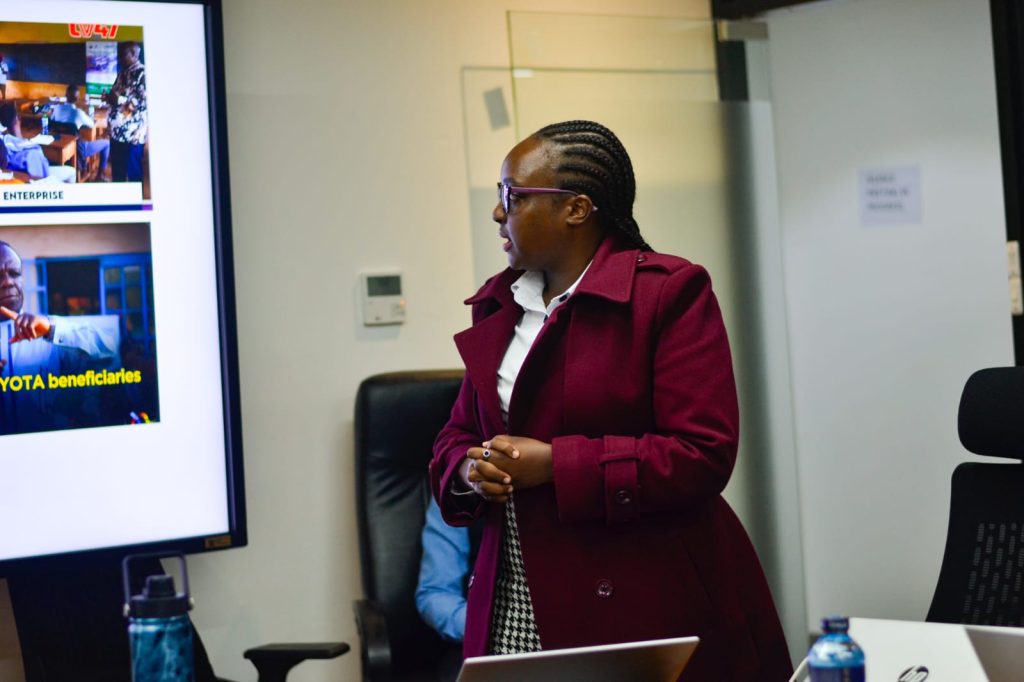
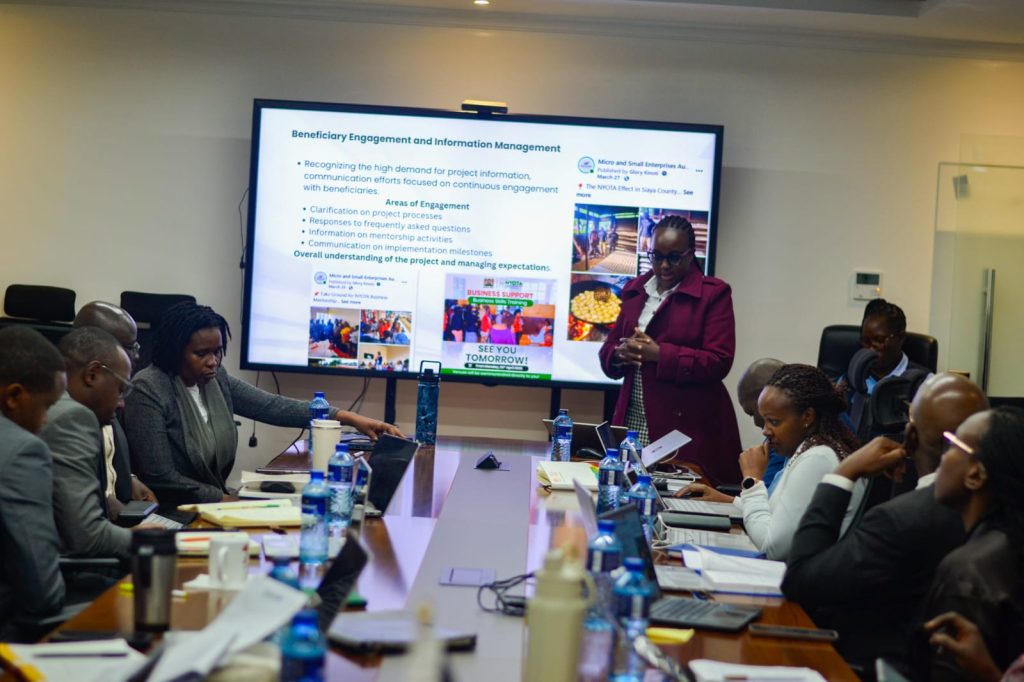
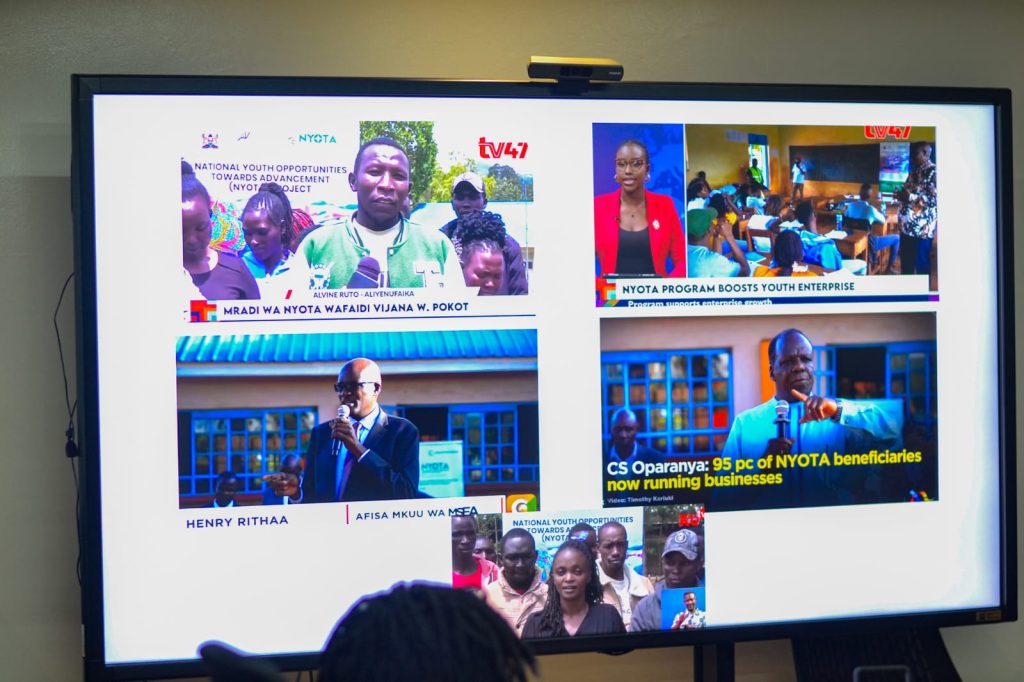
The mission also reviewed progress made in communication and stakeholder engagement activities designed to support project implementation.
MSEA reported successful publicity and media coverage of 15 high-level business capital disbursement forums officiated by H.E. President William Ruto across different regions of the country. Digital campaigns supporting mentorship and entrepreneurship training were also implemented to improve beneficiary participation, enhance understanding of project requirements, and strengthen accountability.
In addition, the project has continued to document and share beneficiary success stories, showcasing how entrepreneurship training, mentorship, and business capital are transforming livelihoods and creating economic opportunities for youth across Kenya.
The presentation highlighted several adaptive measures introduced during implementation to improve inclusivity, efficiency, and programme reach.
Among the notable adjustments was project adopted ward-based targeting to ensure equitable distribution of opportunities across all 1,450 wards nationwide.
Additional measures included the integration of National Government Administration Officers (NGAO) to support beneficiary mobilization and oversight, as well as strategic fund reallocations that enabled the project to support thousands of additional youth beyond the original programme design.
The mission further noted positive commitments from county governments, including the provision of market stalls, establishment of youth support desks, and waivers on selected business licence fees to support enterprise formalization and growth.
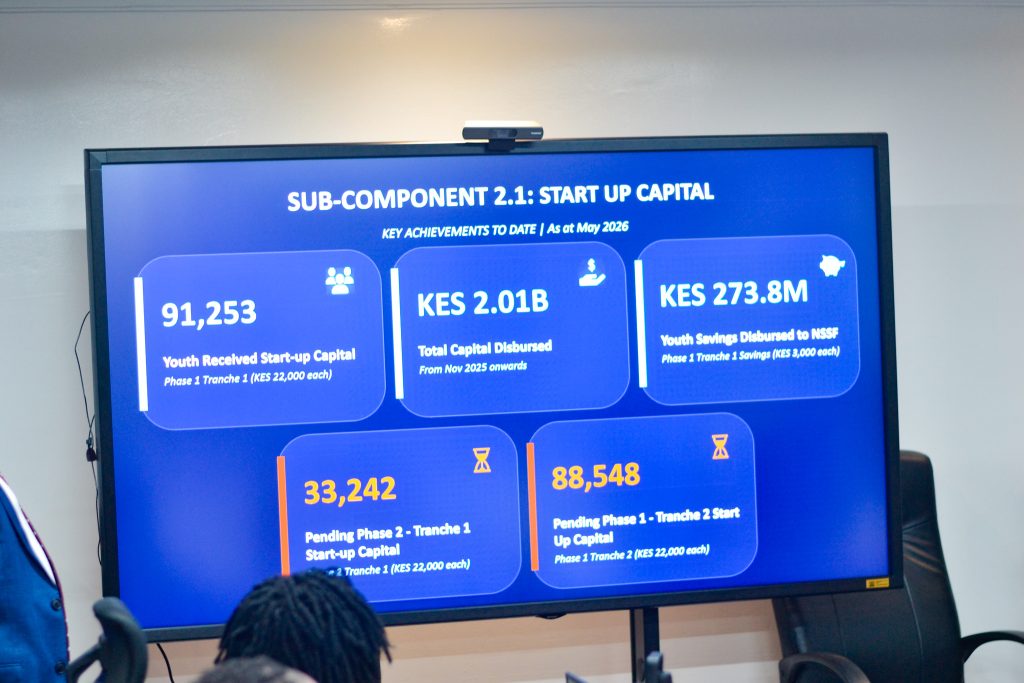
As the project enters its next phase, MSEA outlined several priority activities, including the disbursement of the second tranche of business capital for eligible beneficiaries, commencement of support to Phase Two beneficiaries, rollout of additional mentorship sessions, and implementation of the Results-Based Financing pilot programme targeting hard-to-serve youth.
The achievements presented during the mission demonstrate the growing impact of the NYOTA Business Support intervention in empowering young entrepreneurs, expanding economic opportunities, and contributing to Kenya’s broader agenda of inclusive growth and youth employment.
Through continued collaboration between the Government of Kenya, the World Bank, and implementation partners, the project remains on course to equip thousands of young people with the skills, resources, and opportunities needed to build sustainable enterprises and improve their livelihoods.


Pictorial.


