
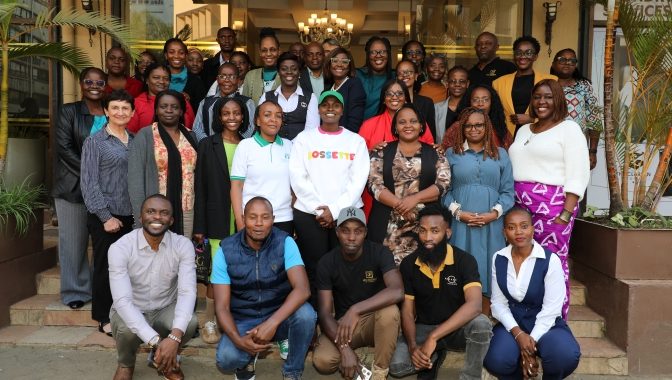
For two days, entrepreneurs from across Kenya’s MSMEs sector gathered in Nairobi for two day sensitization training that aimed to demystify one of the continent’s most significant trade agreements, The African Continental Free Trade Area (AFCFTA) The multisectoral sensitization forum for Women and Youth Traders was co-hosted by the Micro and Small Enterprise Authority (MSEA), the State Department for Trade, the Trade Law Centre (Tralac), the International Development Research Centre (IDRC), the Kenya Private Sector Alliance (KEPSA), Kenya Association of Manufacturers (KAM) brought together over 50 entrepreneurs drawn from sectors as varied as leather value addition, edible oils, manufacturing, apparel and clothing, and construction materials, many of them already trading within East Africa, across the continent, and beyond.

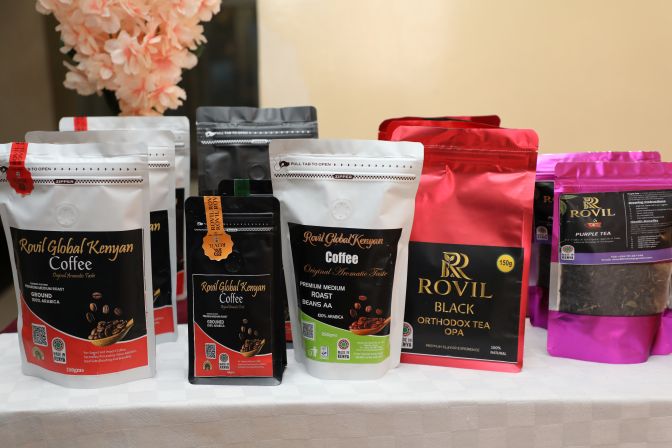


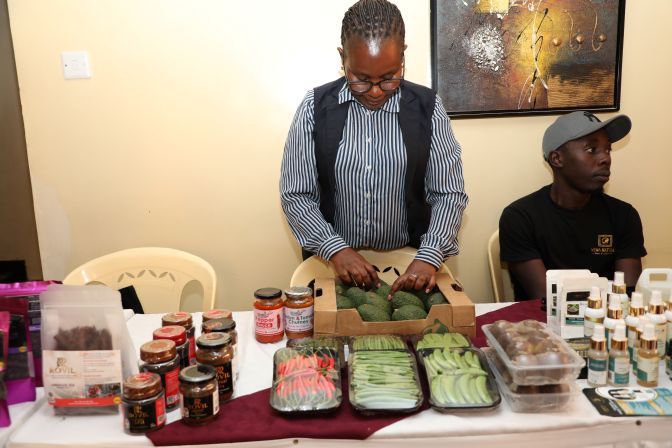
Various products that were exhibited during the training.
The training started with an extensive overview of the African Continental Free Trade Area (AFCFTA) delivered by Professor Gerhard Erasmus and Trudi Hartzenberg , the key facilitators from Trade Law Centre (Tralac). The two took participants through the AfCFTA background. Other topics included protocol on investment, competition policy, and intellectual property rights, Trade in Goods, Trade in Services, and Digital Trade. For many participants, it was the first time the fine print of AFCFTA had been unpacked in a way that connected directly to their day-to-day trading realities.
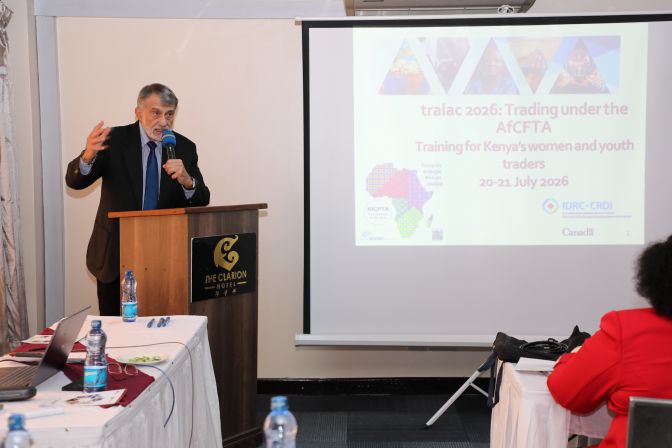
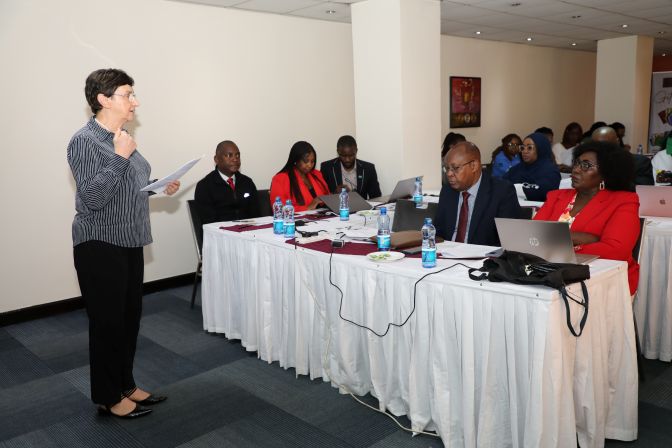
Professor Gerhard Erasmus and Trudi Hartzenberg, founders of the Trade Law Centre (tralac) giving an overview of the African Continental Free Trade Area (AFCFTA) during the training.
The official opening remarks brought together voices from Government, Trade policy institutions, and the Private sector. MSEA’s Chief Executive Officer, Mr. Henry Rithaa, represented by Director Infrastructure, Technology and Innovation, Eng. Edward Karani, spoke of a Kenya where women and youth traders sit at the very heart of prosperity. “It is a privilege to stand before you today to speak about a vision that is bigger than any one institution, the vision of an Africa united by trade, and a Kenya where women and youth traders are at the very heart of prosperity,” the remarks read. The CEO noted that women dominate informal cross-border trade in East Africa, making up 70% of traders in the region, while youth continue to drive Kenya’s entrepreneurial landscape. He pointed to the AFCFTA Protocol on Women and Youth in Trade as a direct response to the barriers this group faces in accessing regional and continental markets, and cited the National Youth Opportunities Transformation Agenda (NYOTA) Project, through which MSEA has disbursed over KSh 2 billion in start-up capital to support youth-led enterprises, empowering more than 122,000 jobs and creating an average of 1.5 additional jobs per beneficiary. “Nyota is more than a program, it is a movement, it symbolizes the rising star of Kenyan youth in the AFCFTA era,” the remarks continued. The CEO closed with a call to action, urging Kenyan MSEs to embrace AFCFTA as their gateway beyond borders, to diversify into agro-processing, textiles, leather, and ICT where Kenya already holds a comparative advantage, and to leverage the country’s digital trade and fin-tech ecosystem for wider market access.
Other representatives from the State Department for Trade, KEPSA, the Kenya National Chamber of Commerce and Industry (KNCCI), and the Kenya Association of Manufacturers (KAM) also shared their remarks on supporting the implementation of the AfCFTA agreement reinforcing the shared commitment behind the training.
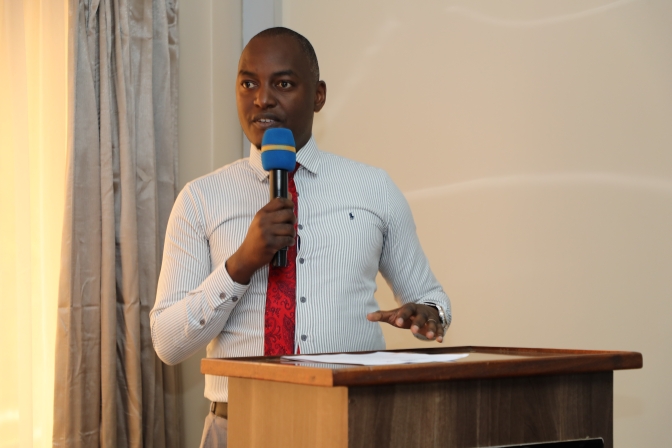
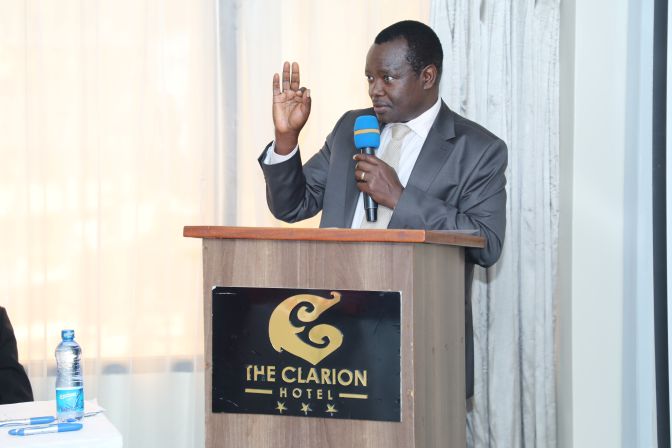
MSEA Director Infrastructure, Technology and Innovation, Eng. Edward Karani, Ag. Secretary State Department for Trade Michael Mandu giving their remarks during the official opening of the AFCFTA Sensitization.
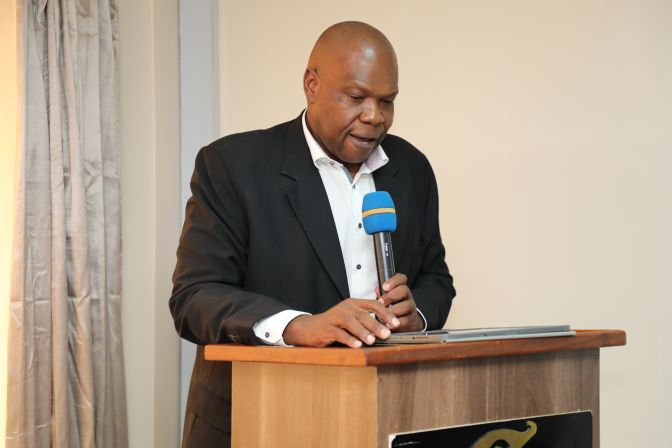
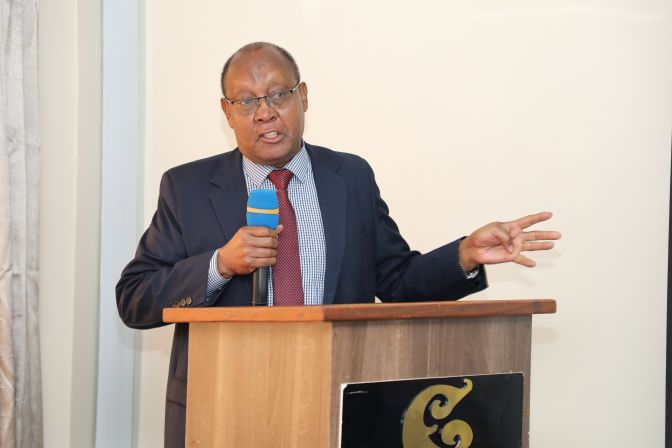
Manager Partnerships and Economic Diplomacy KEPSA Timothy Odongo and Trade Advisor Kenya Association of Manufacturers (KAM) Walter Kamau giving their remarks during the official opening of the AFCFTA Sensitization.
Day two of the training featured sessions on the AFCFTA Protocol on Women and Youth in Trade, led by Professor Erasmus and Trudi Hartzenberg, who shared insights on specific provisions designed to address the structural barriers women and youth traders face in accessing continental markets. This was followed by a session led by MSEA’s Head of Communications Elizabeth Mulae on Leveraging Digital Communication Tools for Market Access, equipping traders with practical know-how to build online visibility and reach new markets beyond Kenya’s borders. Trudi Hartzenberg shaded more light on the two important tools every cross-border trader needs for their cross-border businesses which include the E-Tariff Book, and the Pan-African Payment and Settlement System (PAPSS), both designed to make trading under AFCFTA simpler, faster, and more accessible.
MSEA’s Nairobi Regional Head, Janet Kamotho highlighted and emphasized to the entrepreneurs the importance and process of formalizing their businesses with the Authority, encouraging them to register and take advantage of the benefits that come with recognized MSE status, from access to government support programs to greater visibility in regional and continental markets.
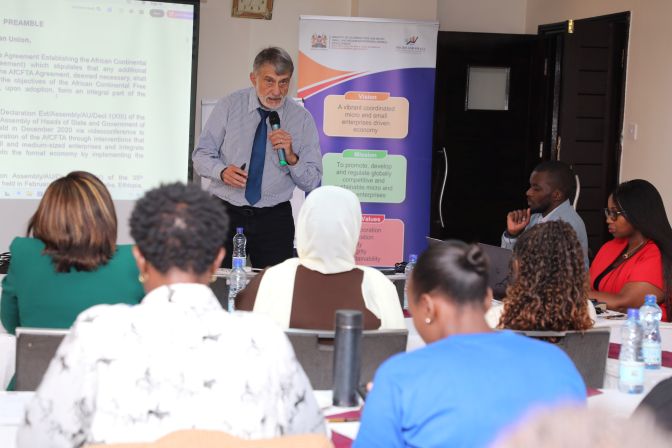
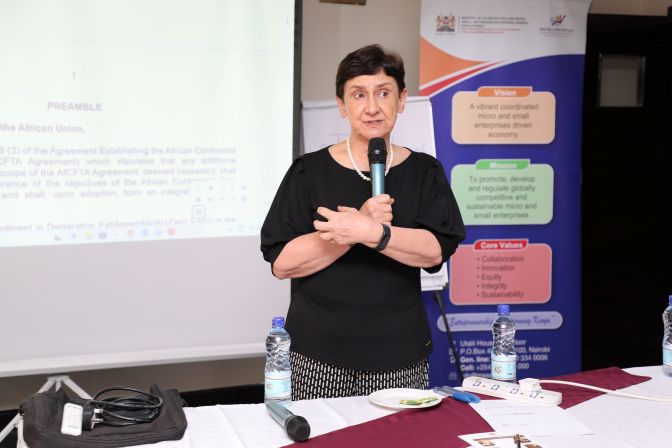
Professor Erasmus and Trudi Hartzenberg taking the traders through a session on AFCFTA Protocol on Women and Youth in Trade.
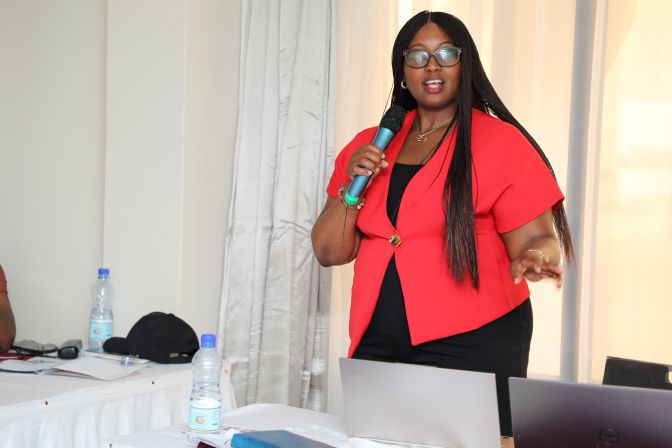
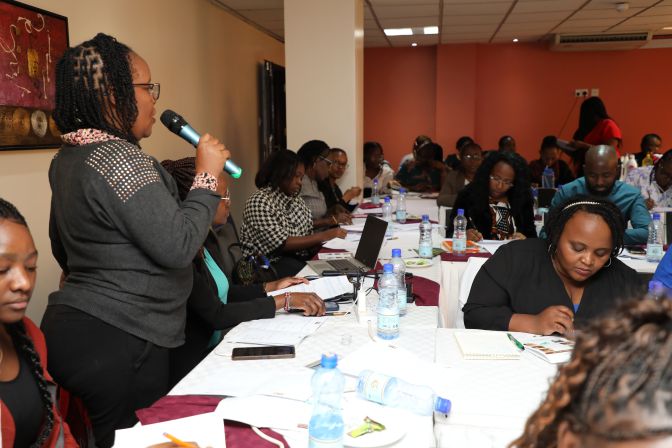
MSEA Head of Communications Elizabeth Mulae and Nairobi Regional Head, Janet Kamotho during the training session on day 2.
The Training provided the participants with an opportunity to acquire more information about the AfCFTA, knowledge about the tools of trade, networks, and skills on positioning their businesses for market access
The multisectoral training was a collaboration of State Department for Trade, Trade Law Center (tralac), International Development Research Center (IDRC), Kenya Private Sector Alliance (KEPSA) and the Kenya Association of Manufacturers (KAM) all with a distinct strength to ensure that Kenyan women and youth traders are not left behind in Africa’s biggest trade opportunity.
As Kenya continues to align its MSME strategies with the AFCFTA agenda, trainings such as this one reflects a broader commitment, that, regional trade and integration cannot be left to policy alone, but must be backed by deliberate, coordinated investment in entrepreneurs. For MSEA, the work does not end with sensitization, it continues in the follow-through, ensuring that Kenya’s MSMEs are not just aware of AFCFTA, but are equipped, formalized, and ready to compete on a continental stage.
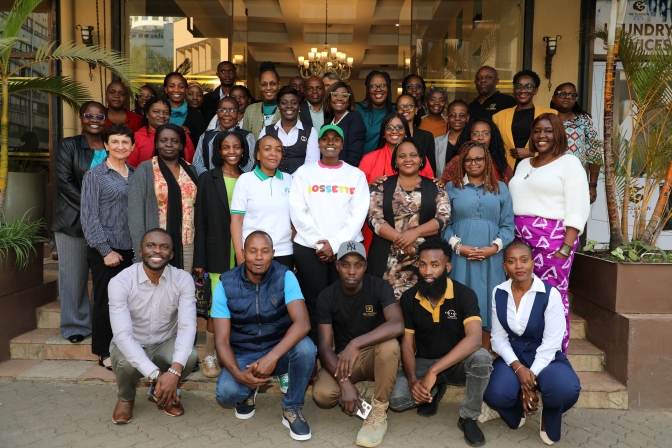
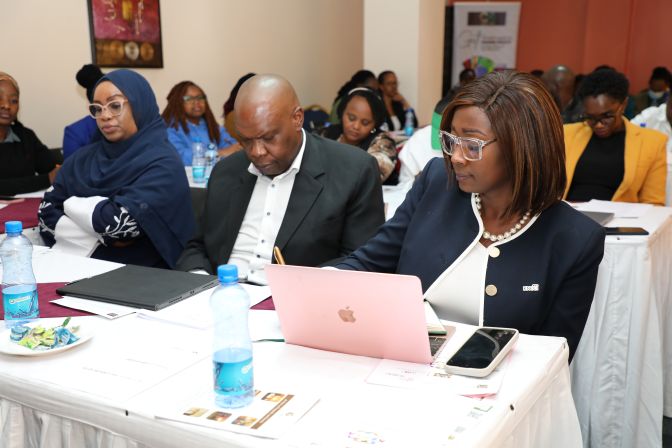



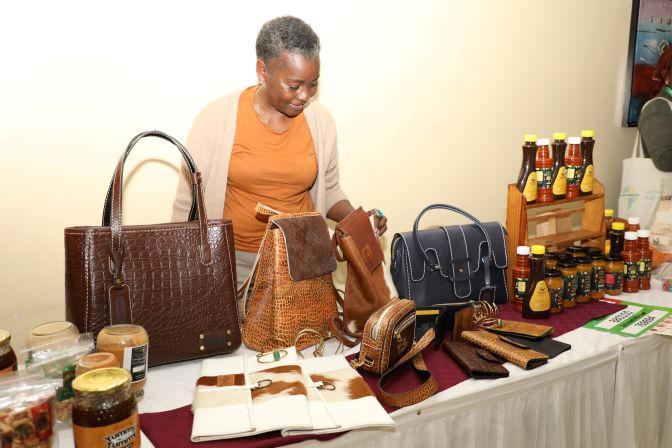
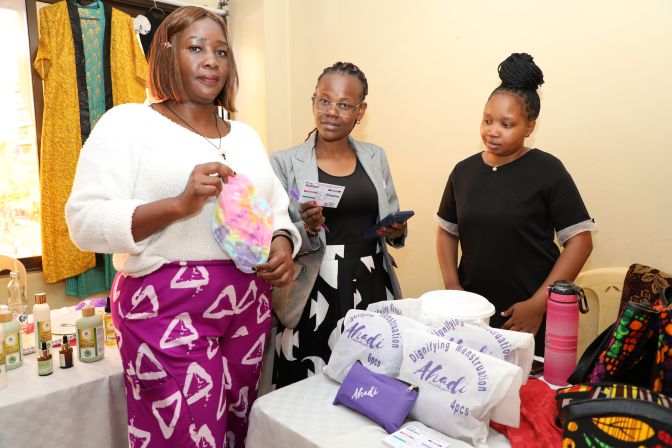
Pictorial highlights during the training.


