
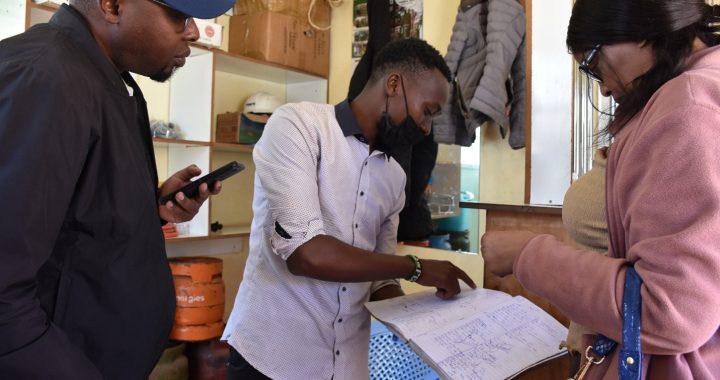
The National Youth Opportunities Towards Advancement (NYOTA) Project is beginning to transform the lives of young entrepreneurs across Kenya, with thousands of beneficiaries already establishing and expanding businesses through entrepreneurship training, mentorship, and business start-up capital support.
The Micro and Small Enterprises Authority (MSEA) is implementing Expanding Employment Opportunities intervention of the NYOTA Project that seeks to increase employment opportunities and improve earnings among vulnerable and marginalized youth. The intervention combines Business Development Services (BDS) training, mentorship, business capital support, market linkages, and continuous enterprise monitoring to equip youth with the skills and resources needed to build sustainable livelihoods.
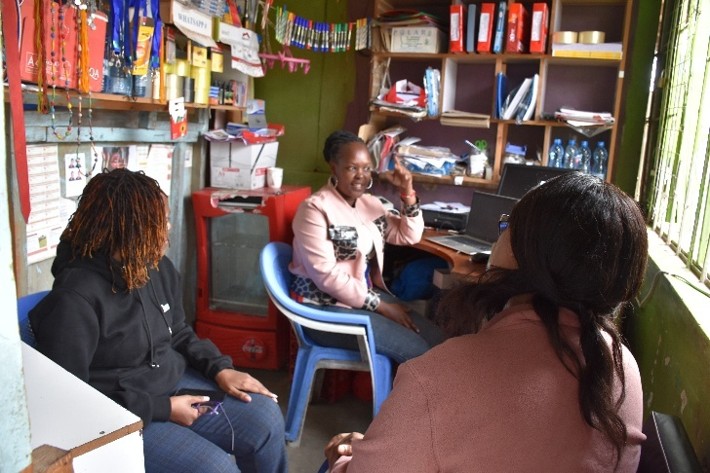
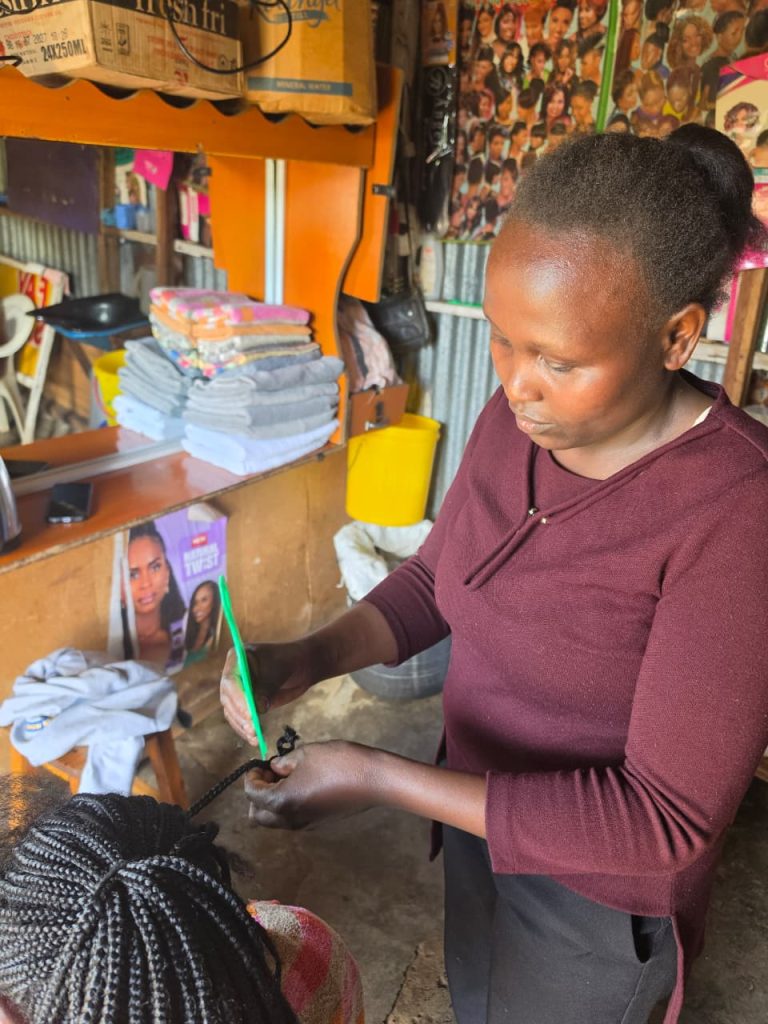
Interactions with NYOTA beneficiaries at their business premises
To date, more than 124,850 youth drawn from all 1,450 wards across the country have successfully undergone entrepreneurship training and are progressing through various stages of business support. Over 90,000 have already received the first tranche of business capital, enabling them to start new enterprises, expand existing businesses, and create income-generating opportunities within their communities.
As part of ongoing implementation support and monitoring efforts, the World Bank, together with Government officials and project teams, recently conducted field visits across the regions to assess beneficiary progress, document lessons learned, and identify emerging opportunities and challenges in enterprise development.
The visits provided a valuable opportunity to engage directly with beneficiaries and observe firsthand how the project’s interventions are translating into tangible economic outcomes.

Businesses Growing Across Sectors
Across the regions visited, beneficiaries demonstrated remarkable enterprise growth in sectors ranging from agribusiness and retail trade to digital services businesses.
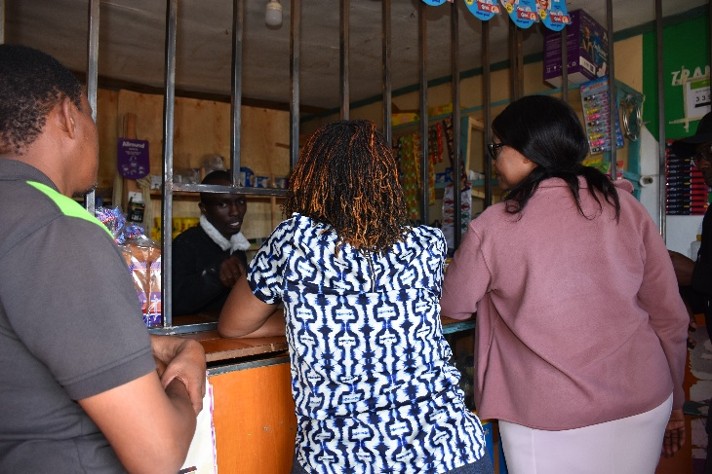
In Narok County, the monitoring team visited several youth-led enterprises including retail shops and cyber cafés that have recorded steady growth since receiving NYOTA support. Beneficiaries reported using the business capital to increase stock levels, improve service delivery, and strengthen day-to-day business operations. Many noted that the entrepreneurship training and mentorship sessions had enhanced their ability to manage finances, keep business records, understand customer needs, and make informed business decisions.
The visits revealed a growing culture of entrepreneurship among young people who are increasingly viewing business ownership as a viable pathway to economic independence and long-term prosperity.
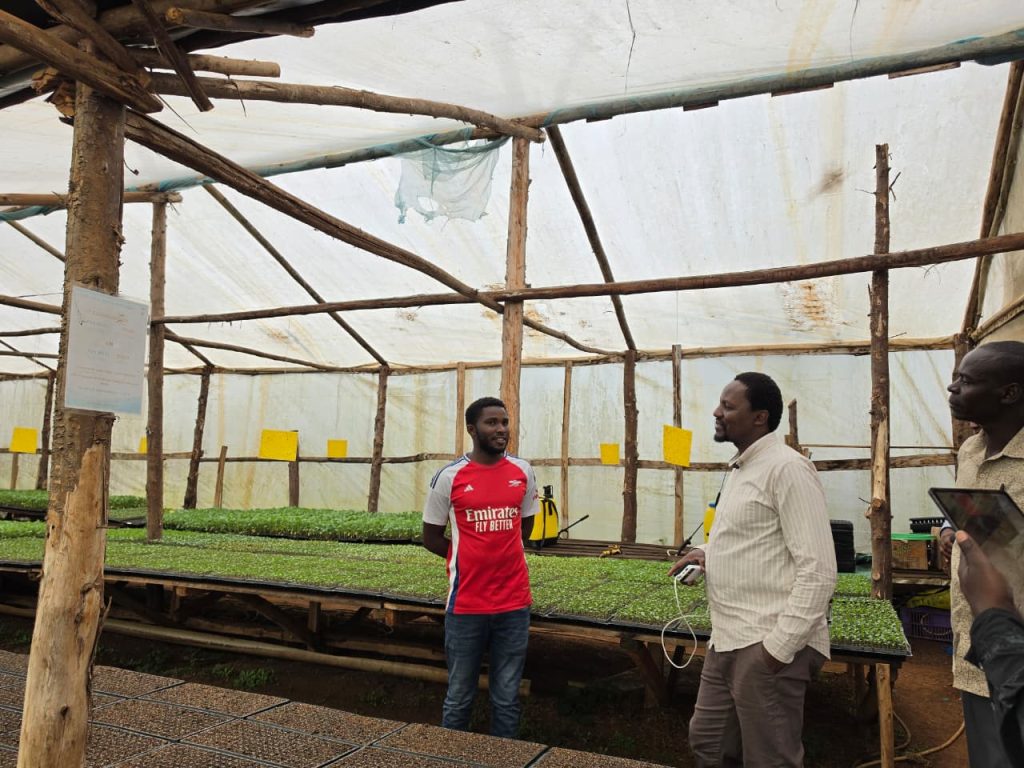
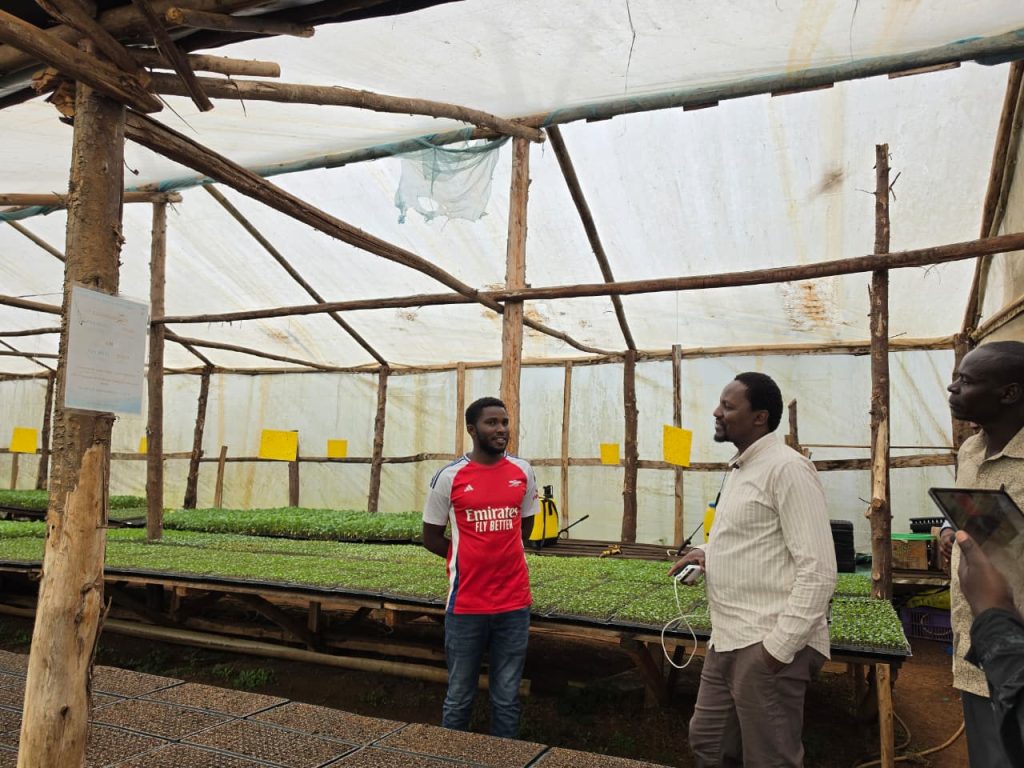
Caleb, a NYOTA business support beneficiary at his greenhouse in Bomet County
Among the success stories documented was that of Caleb, a young agripreneur whose investment decisions demonstrate the multiplier effect of targeted business support.
Following participation in the NYOTA project, Caleb invested his capital in purchasing certified seedlings. The investment yielded a successful harvest that significantly improved his income.
He attributes much of his success not only to the financial support received but also to the Business Development Services training, which equipped him with practical business and farm management skills. The training enabled him to approach farming as a business venture, improve productivity, and make strategic investment decisions.
With the second tranche of support anticipated, he plans to expand his agricultural activities further and deepen his investment in agribusiness, a sector he now views as his long-term career path.
The monitoring team noted that similar trends were emerging across several counties, where beneficiaries are increasingly investing in productive sectors such as agriculture, retail trade, food processing, and service-based enterprises.


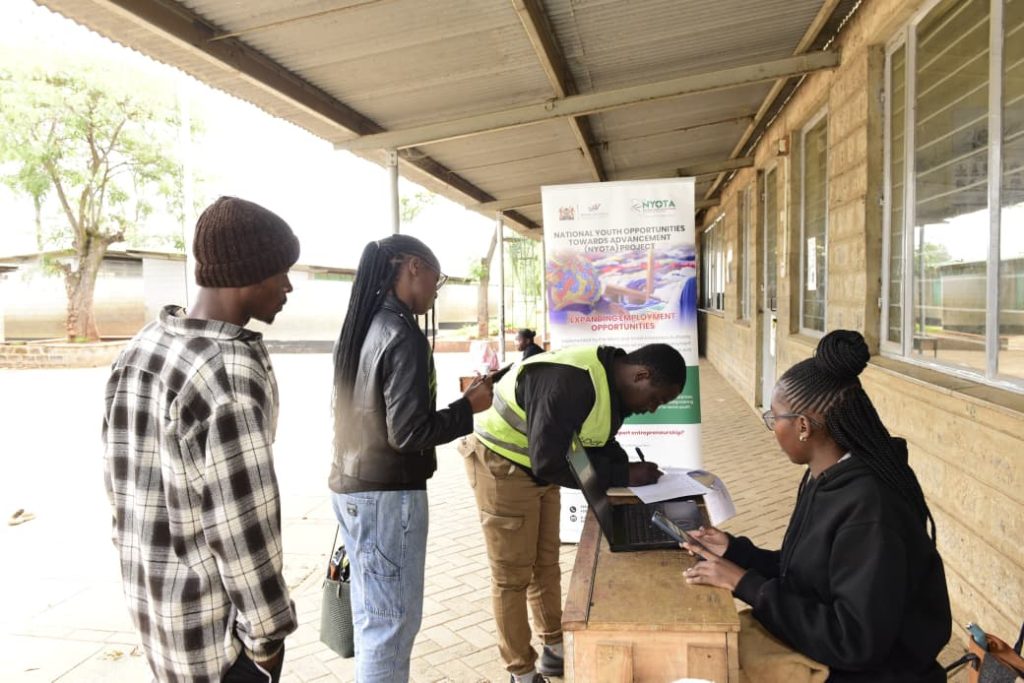
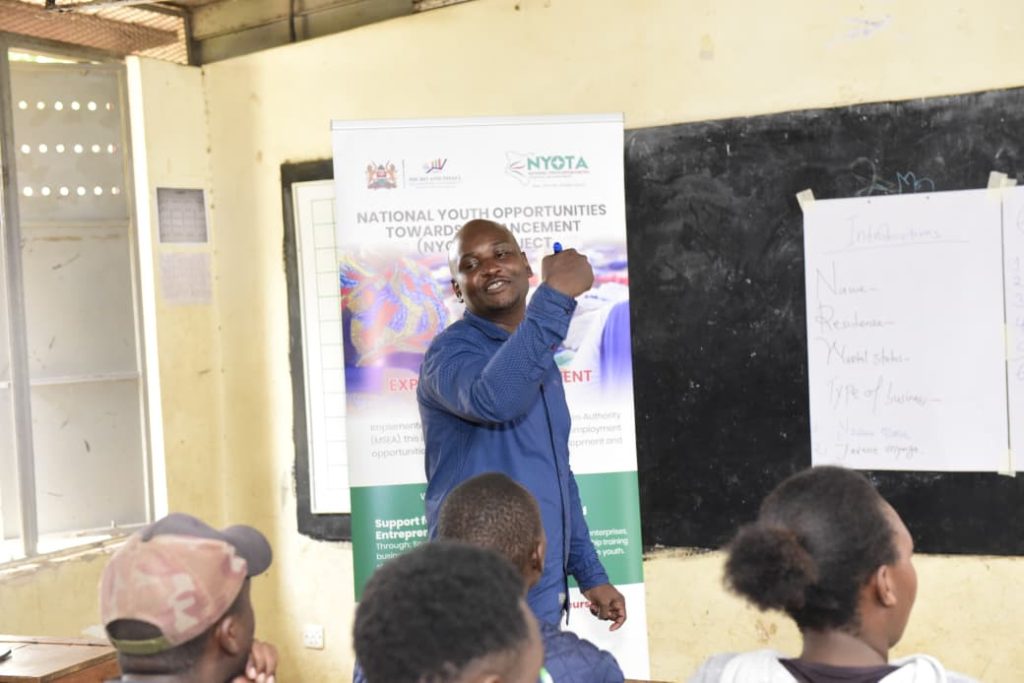
Pictorial from the recently concluded NYOTA entrepreneurship training.
Challenges Affecting Enterprise Growth
While the visits demonstrated encouraging progress, beneficiaries also highlighted several challenges that continue to affect the growth and formalization of youth-owned enterprises.
A recurring concern raised across counties was the high cost of business registration and licensing requirements, particularly for small start-up enterprises operating with limited capital. Beneficiaries noted that county permits, regulatory fees, and other compliance costs can be difficult for newly established businesses to meet during their early growth stages.
Some entrepreneurs also cited limited access to affordable markets, business premises, and additional financing as barriers to faster expansion.
Beyond assessing enterprise performance, the field visits served as an important mechanism for gathering beneficiary feedback, strengthening accountability, and identifying opportunities to enhance project delivery.

Pictorial


